All Categories
Featured
Table of Contents
More peripheral economies risk being sidelined unless they improve logistics, abilities and the investment environment. Solutions exports now account for 27% of worldwide trade and grew by about 9% in 2025, far outmatching products. Provider also control global intermediate inputs, underpinning production and main sectors. Digitally deliverable services drive much of this growth however remain restricted in least industrialized countries.
Today, 57% of developing-country exports go to other developing markets, led by Asia's regional value chains. Deeper interregional trade can help offset weaker demand in sophisticated economies and enhance durability.
By late 2025, promises by 113 nations might cut emissions by about 12% by 2035. Carbon pricing, clean-energy markets and environmental standards are redefining competitiveness.
The Circular Transformation: Rethinking Products and Resource ManagementManaging resource security while sustaining financial investment will remain a key trade obstacle. Agricultural trade stays important for food security, with food products accounting for nearly 87% of commodity exports.
Technical regulations now impact approximately two thirds of global trade, raising compliance expenses, specifically for smaller exporters. Environmental, social and security-driven rules will broaden even more in 2026. Flexible international rules and targeted support will be key to guarantee inclusive trade.
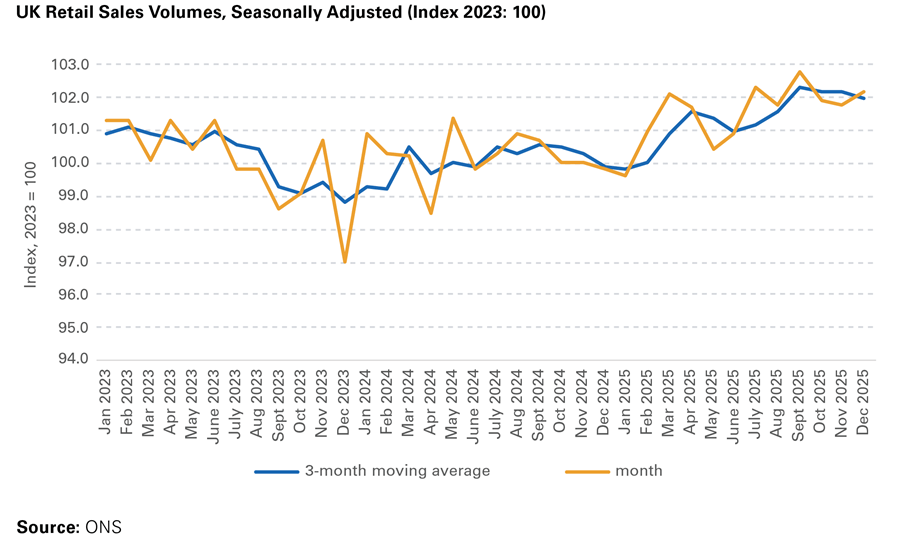
Evaluating Traditional versus Modern Capital Routes
Don't miss what's happeningPeople on X are the very first to understand.
Global trade and economic development might slow down in 2026, according to a new report from the United Nations Trade and Development agency, UNCTAD. The forecast raises issue that the world may be entering a prolonged duration of sluggish expansion, with particularly sharp consequences for poorer and developing economies like Nigeria.
Formerly, in April 2025, the company had warned of a prospective 2.3 percent growth for 2025 amid increasing international uncertainties. Early in 2025, global trade delighted in a short-lived increase, increasing by about 4 percent.
A crucial finding of the 2025 report is that monetary conditions, not just traditional supply chains, now play a significant role in forming global trade. Over 90 percent of global trade now depends upon bank financing, payment systems, currency markets, and global capital circulations. That dependency means trade volumes are progressively vulnerable to variations in interest rates, shifts in investor sentiment, and volatility in international monetary markets, a marked modification from previous years when trade largely followed genuine economic demand.
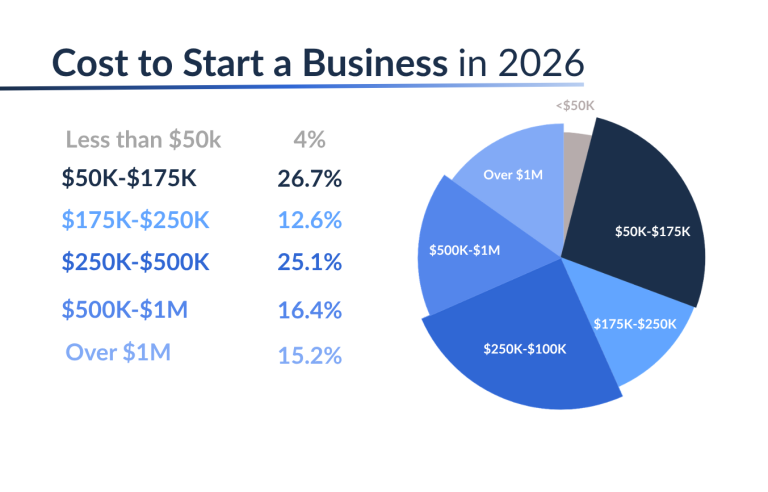
UK Mid-Market Growth versus Global Trends
Read also: Reimagining Africa's role in worldwide trade: Strategy, durability, and partnership The slower development and increasing financial volatility pose specific dangers for establishing and low-income nations. The "global South" now accounts for more than 40 percent of world output, nearly half of worldwide product trade, and over half of global investment inflows, these economies hold only about 25 percent of worldwide monetary market value.
Such conditions make them more vulnerable to swings in capital flows, rising climate-related monetary threats, and abrupt shifts in global liquidity or investor sentiment. That might slow long-term investment, hinder financial obligation sustainability, and undermine development. UNCTAD's report requires structural reforms to much better align trade, finance, and sustainable advancement. A few of its essential recommendations include upgrading trade rules and contracts to show modern-day truths, including digital trade, services, and climate-sensitive industries.
In addition, nations like Nigeria need to strengthen domestic and regional capital markets to expand access to affordable, long-term financing, particularly for little businesses and export-dependent companies. Read valso: World Trade Centre reveals initiatives to improve Nigeria's international trade competitiveness For worldwide trade, the pattern suggests prolonged periods of slow trade development, slower development of global supply chains, and increased vulnerability to financial-market volatility, even if need recovers.
It says policy makers must reinforce domestic monetary systems, expand regional and SouthSouth trade, increase local capital markets, and reduce dependence on volatile external funding "Trade is not simply a chain of suppliers. It's likewise a chain of credit limit, payment systems, currency markets and capital circulations, and these monetary channels progressively determine the instructions of international trade," the report said.

Latest Posts
Top Business Success Tips for UK Firms
Predicting a Future UK Economic Outlook and Trade
Investment Banking Outlook for British Mid-Market Firms